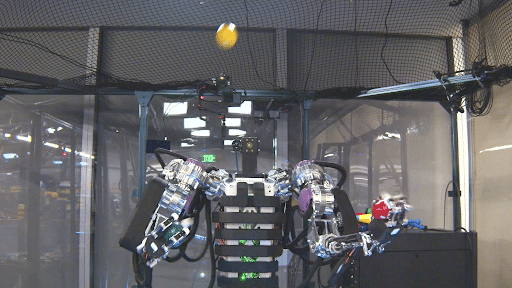
AthenaZero can juggle barehanded using onboard vision feedback. By using multi-fingered hands, it can transition seamlessly between a wide range of juggling patterns.
Areas of Research
We aim to solve the most important and fundamental challenges in robotics and AI.


Our Collaborators












Dexterous Manipulation
Developing the algorithms, data, and hardware needed for robots to dynamically manipulate physical objects and systems to perform useful tasks, such as assembly, repair and transport. Our research is aimed at going beyond the static grasping and manipulation that currently dominates the field.
Advanced Learning for Control
To expand the tasks robots can do autonomously, we are exploring performance of long-horizon tasks through composition of natural dynamic behavior elements. Our approach uses reinforcement learning for control, high-level direction by AI algorithms, incremental learning of new behavior, and adaptation to novel environments.
Data-Driven AI Models for Physical Robot Interaction
Today's AI models struggle to transfer learned skills to new physical tasks, especially those requiring precise force control and tight tolerances. RAI is developing foundation models that allow robots to accomplish complex physical tasks by combining data-driven learning techniques with principled models that embody the physicality of robotic systems.
Navigation in Challenging Environments
Building advanced sensors that provide robots (including wheeled, humanoid, and quadruped designs) with a deep understanding of their surroundings. Combined with our robust mobility solutions, this capability will enable semantic navigation through a wide variety of environments, including factories, homes and cities.
Ethics of Robots in Society
Integrating robots into daily life will have an impact on human society. Our approach combines rigorous scientific research with a deep understanding of the socio-technical systems — including the social, legal, and ethical contexts — that shape the outcomes of robotics. Together, these efforts generate applicable insights for robots to seamlessly integrate into our world.
Featured Resources
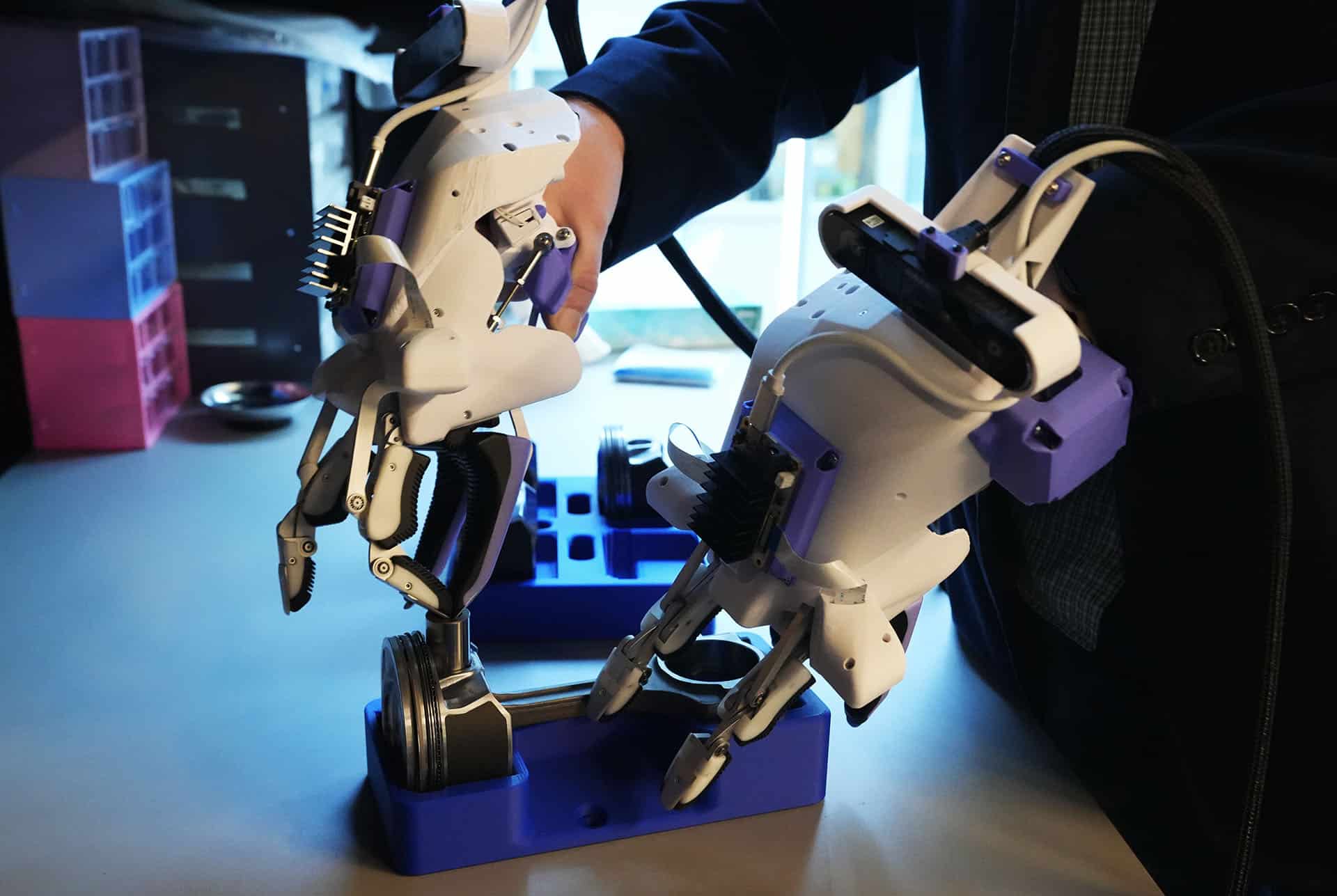
Getting a Grip on Robotic Data Collection
Redesigning how we collect bespoke data for manipulation tasks.
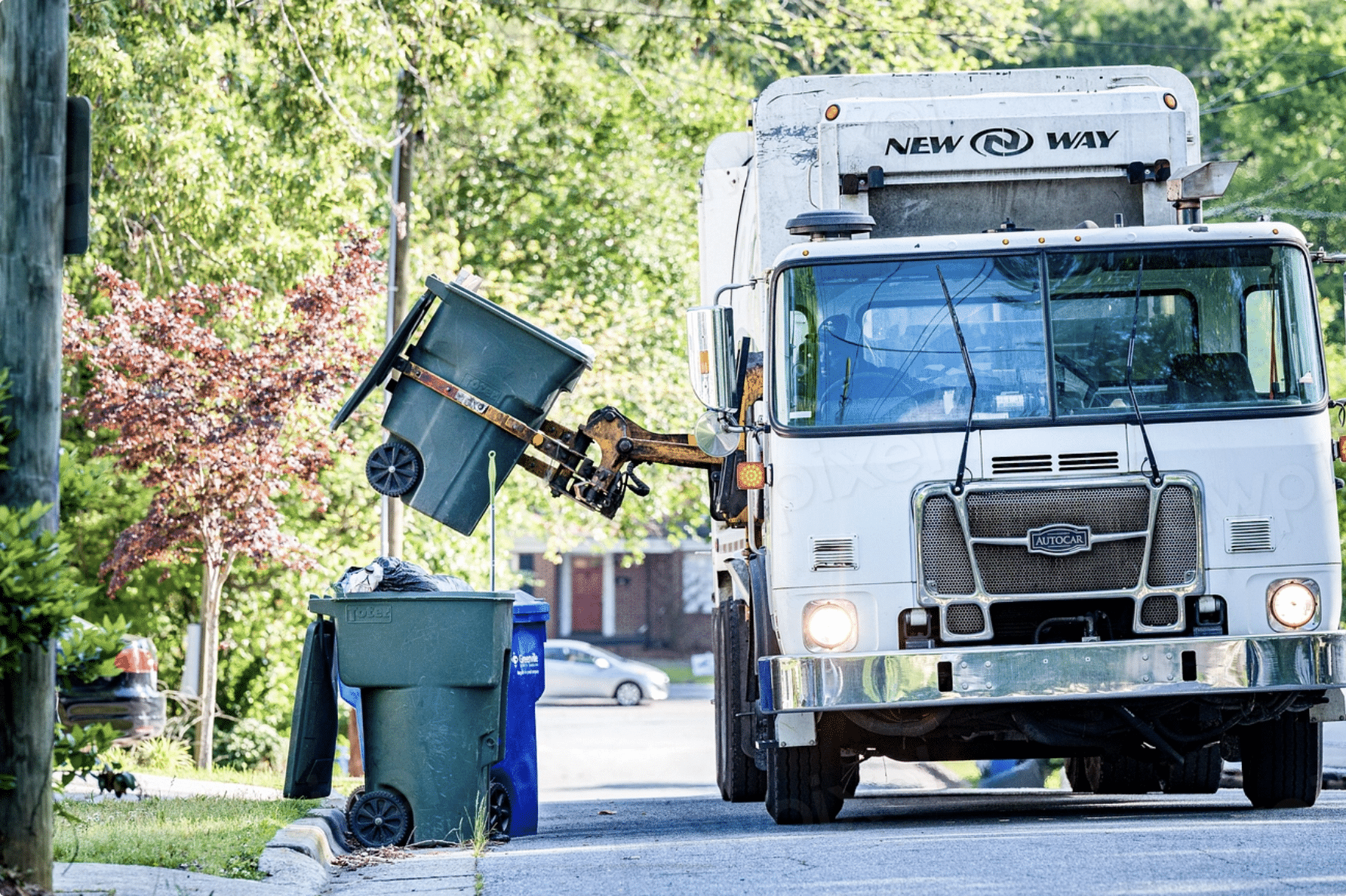
What Makes a Job “Dull, Dirty, Dangerous?” Redefining Undesirable Work for Robotics
We propose a framework to help the robotics community explore how automation impacts jobs that are considered dull, dirty, dangerous (DDD).


Help shape the future of robotics
We’re hiring researchers and engineers at all levels.