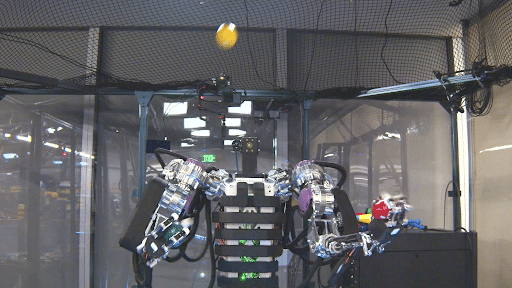
AthenaZero can juggle barehanded using onboard vision feedback. By using multi-fingered hands, it can transition seamlessly between a wide range of juggling patterns.

We're creating future generations of robots.
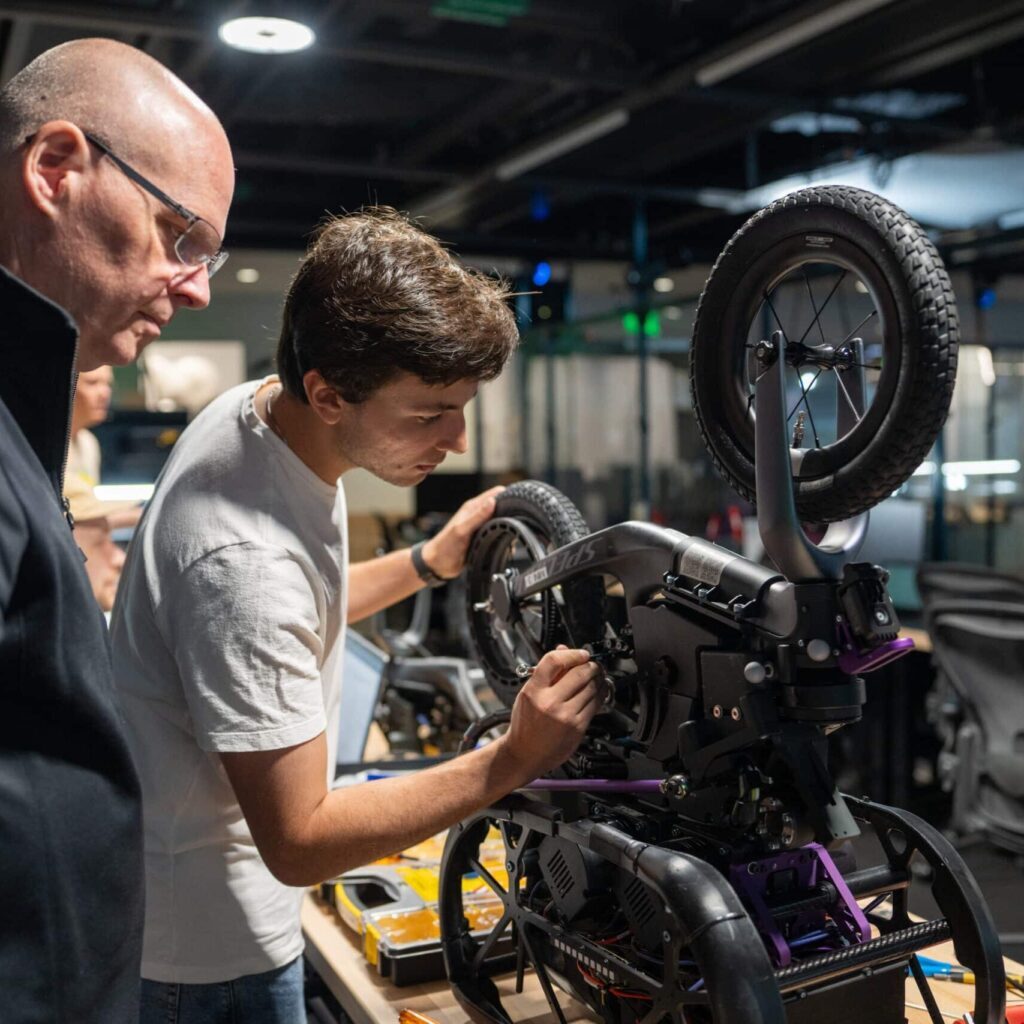
Robotics has come a long way in the past 40 years, but we still have a long way to go.
Marc Raibert
Executive Director, Robotics and AI Institute
We believe the development of future generations of intelligent machines requires five core areas of research.
Dexterous Manipulation
Perception, control, data, and hardware to enable robots to dynamically manipulate physical objects and systems for useful tasks like assembly, repair, and transport.
Advanced Learning for Control
Learning-based control methods that allow robots to safely and robustly interact with the physical world, supporting adaptive behavior, human guidance, and operation in novel environments.
Data-Driven AI Models for Physical Robot Interaction
Foundation models that enable robots to perform complex physical tasks, including precision assembly and force-mediated behavior, by combining data-driven learning with principled models.
Navigation in Challenging Environments
Building mobile robots that have semantic understanding of their surroundings and can navigate diverse environments, such as factories, cities and homes.
Ethics of Robots in Society
How the impact of robot integration in daily life – including workplaces, homes, and other shared spaces – affects human attitudes and actions.
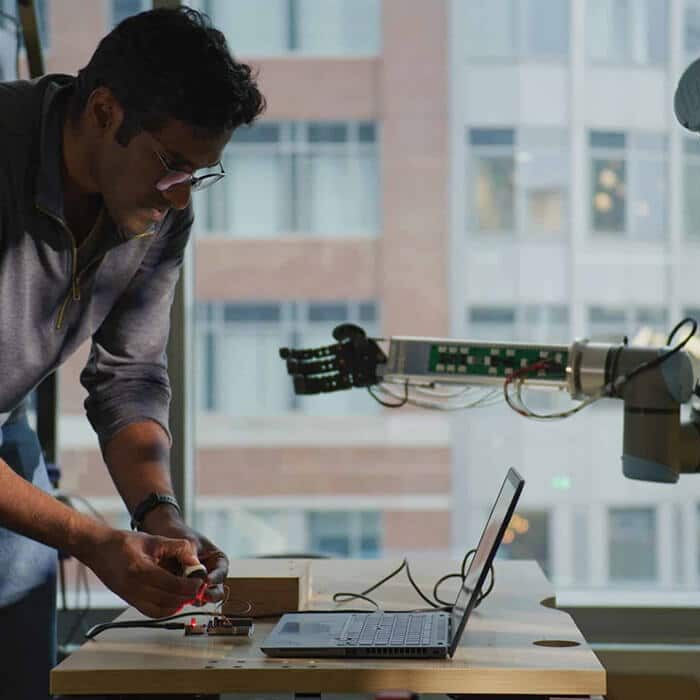
Let’s change the way the world thinks of robots.
Join us in creating the world’s premier research institute focused on intelligent machines.
Featured Resources
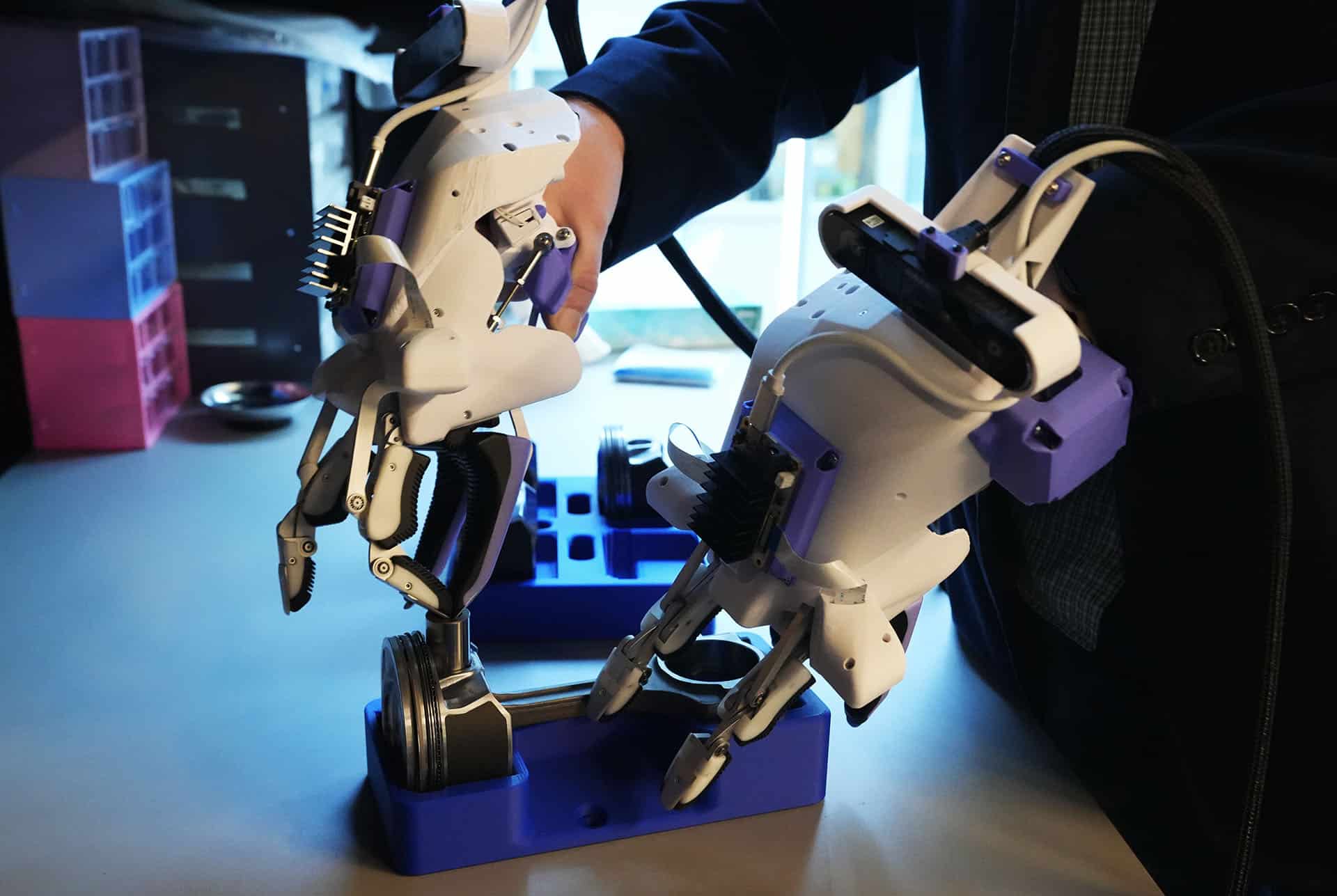
Getting a Grip on Robotic Data Collection
Redesigning how we collect bespoke data for manipulation tasks.
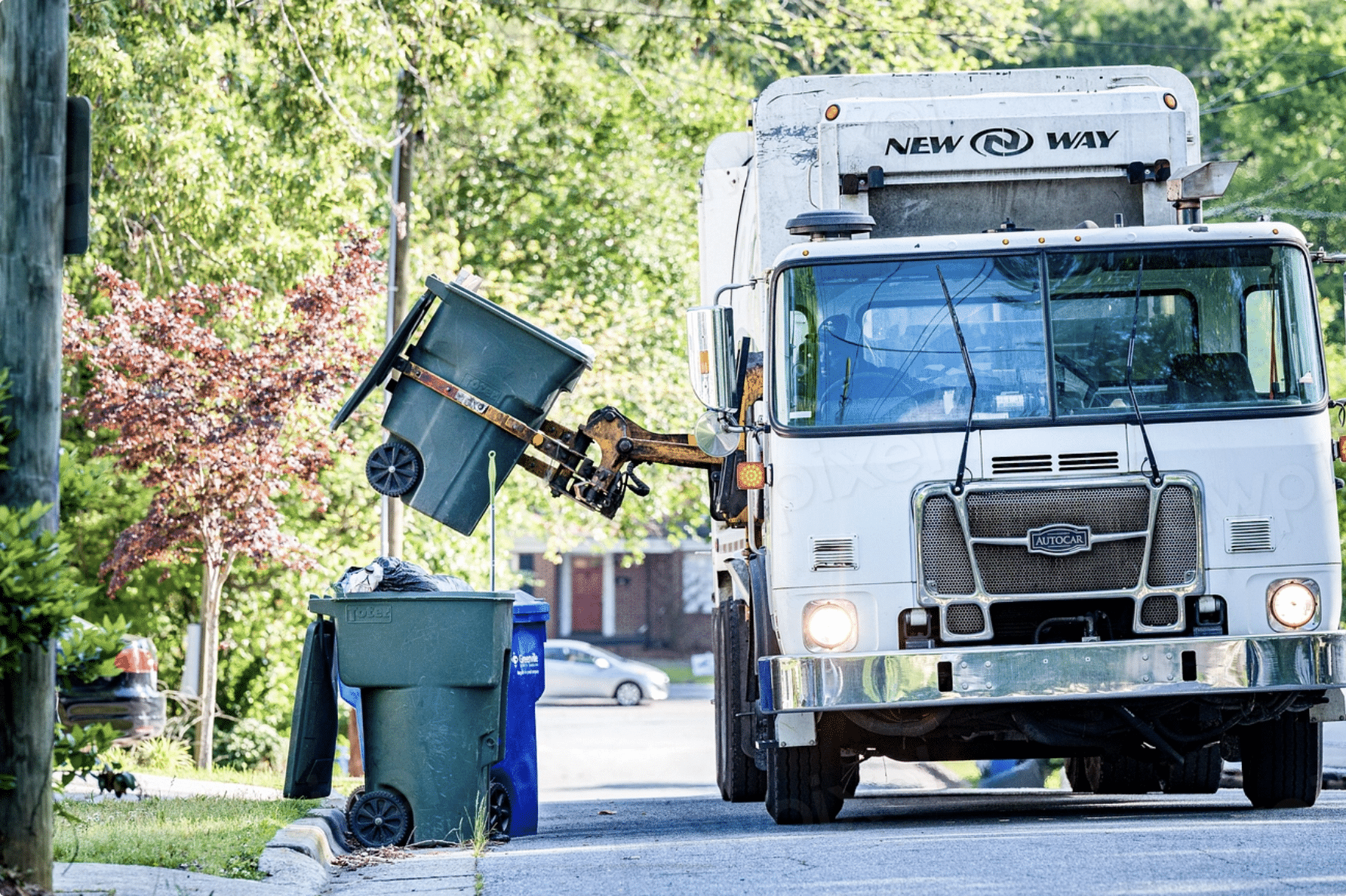
What Makes a Job “Dull, Dirty, Dangerous?” Redefining Undesirable Work for Robotics
We propose a framework to help the robotics community explore how automation impacts jobs that are considered dull, dirty, dangerous (DDD).
We need to make robots smarter, more agile and dexterous, and generally easier to use - more like people. Once we do that, robots and other types of intelligent systems will increase productivity, free people from dangerous work, care for the disabled, and help people live better lives.